5 Tips for Promoting Virtual Events

5 Tips for Promoting Virtual Events


Virtual events have been growing in popularity, but the COVID pandemic has really created an environment where they fill an important role – keeping participants safe. Of course, that is only one benefit of virtual events. Others include the ability to reach a wider audience, reduce travel expenses, and lower overall event costs.

The necessity of online events has forced technology to become more accessible but has also crowded the space with events happening daily. This popularity means your events must now find a way to cut through the noise to get participant attention and action.

Here are 5 tips to promote your virtual event to have it stand out:

Know your participant’s goals

For most online events, the goal is to get people to participate in the event and engage with the call to action the event was designed for. Once you know your participants’ goal(s), determine how to promote the event in a way that drives the achievement of that goal. Create a platform that offers testimonials, steps, and inspiration towards obtaining desired results and encourages engagement.

Plan your marketing strategy for building up to the event, to remind participants of the offers during the event, and in post-event follow-up. Continually remind participants of what’s in it for them.

Set Clear Participant Expectations

Be sure potential participants know what to expect from the event. It needs to be of high value in their eyes because unlike a physical event where they invest time and money to sit in a chair, they need details that will get them to engage.

Explain how panels, Q&As, or breakout sessions will work so they know how to interact. Share schedules ahead of time so they understand what they will be getting out of the event, and/or individual sessions.

Participants will feel more satisfied after the event if their expectations are met, so be clear and specific in order to create that for them. Remind the attendees why they signed up and what they will get from the event and do it early and often – then deliver on that.

Promote the event heavily

Use anyone and everyone involved in the event to help promote it. Word of mouth is important here, so make all links and promotional information easy to share. Consider discounts or contests for participants who share the event and increase registration.

Create marketing collateral for speakers, hosts, and even attendees it’s a no-brainer to invite others. Consider your power partners who may want to attend the event and promote it to their customers as well.

Use your event hosts, speakers, and industry influencers to attract participants and help promote the event far and wide.

Virtual events are more successful when cross-promoted, so using strategies that allow for that is ideal. Co-branding, affiliate partnerships, and influencer sharing will help your event have the attendance that will make it successful.

Think bigger

Use segmented lists to speak differently to those attending with different desired outcomes. For example, an event for the writing and publishing industry may attract attendees interested in learning about the craft of writing and others how to get published. These would-be writers.

However, publishing companies may also attend, looking for the next great writer. Editors may attend looking for clients. How you market to each will be different and each segment can be leveraged for different goals while also increasing participation.

Track results

Too often event promoters are busy with details and forget to track how they attracted participants in the first place. If you want to follow up, and/or want to repeat the same or similar event in the future, knowing what worked and what didn’t work will save you time and money.

Set up your events ahead of time to track information – you can review it after the event during debriefing. It will be working the time spent being proactive from the start.

If you are looking for support in creating and managing a virtual event, learn more about how AMI can help, here.

Cities Reopen Inviting Commerce Safely Back

Cities Reopen Inviting Commerce Safely Back

As the meetings and live events industry slowly begin to open, corporations are creating protocols to maintain safety among staff, clients, and vendors. We spoke with several American Meetings Network, Prime Supplier Members – organizations at the forefront of the Meetings and Events Industry – about the steps that they are taking to welcome business back.

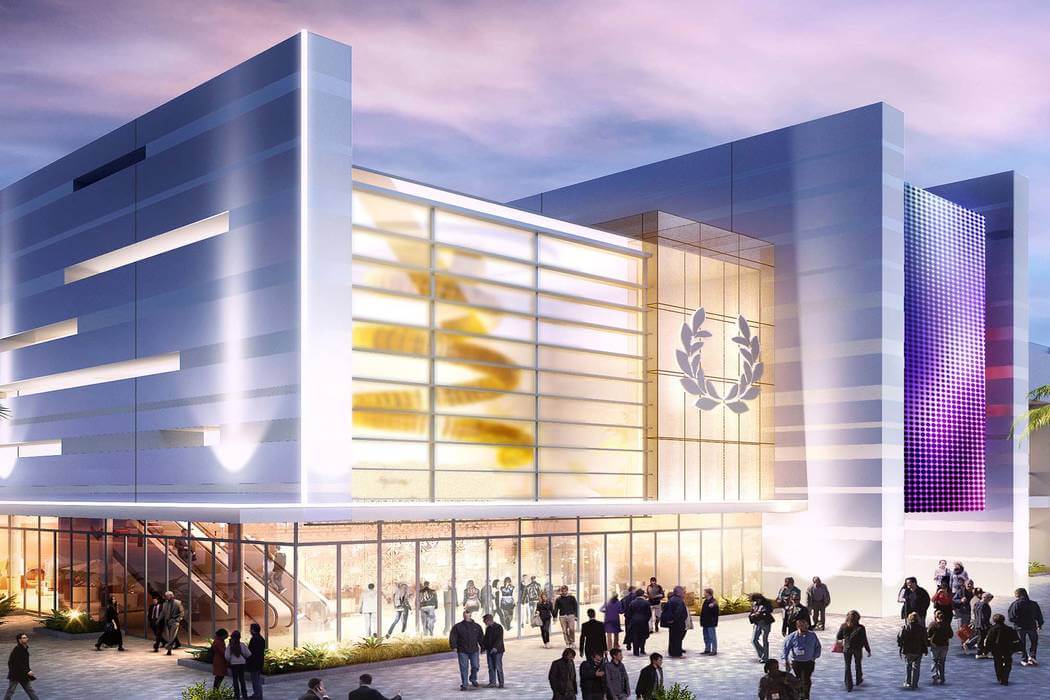
Caesars Forum, Las Vegas, Nevada

Ceasars Entertainment is known for some of the most prestigious gaming brands including Caesars Palace® and Harrah’s®. With over 55 resorts across the US, the 80-year-old brand is young at heart, continually innovating its luxury accommodations.

Caesars Entertainment has created a saftey protocol for their multiple properties, although they can vary based on local authorities. This protocol includes:

  • Health Screening for employees returning to work
  • Employee training on new guest interaction protocol
  • Employee training on how to prevent the spread of disease
  • Employee training on proper use of PPE and mandatory hygiene and sanitation guidelines
  • Implementation of hand sanitizer and/or hand washing stations in the convention centers, meeting spaces, and meal areas
  • Frequent cleaning procedures in public areas, especially in high touch areas
  • Beverage stations will be staffed rather than self-serve
  • Food service will be plated or boxed and pre-packaged food offerings are available
  • Entry doors are opened to prevent guest contact with surface
  • Registration and seating will be set up to allow for social distancing
  • Longer break and meal periods will be in place to allow for additional sanitization
  • CDC guideline signage will be prominent in all appropriate areas including restrooms
  • Vendors must also comply with all Caesars’ protocols for health and safety

Atlanta Airport District, Atlanta, Georgia

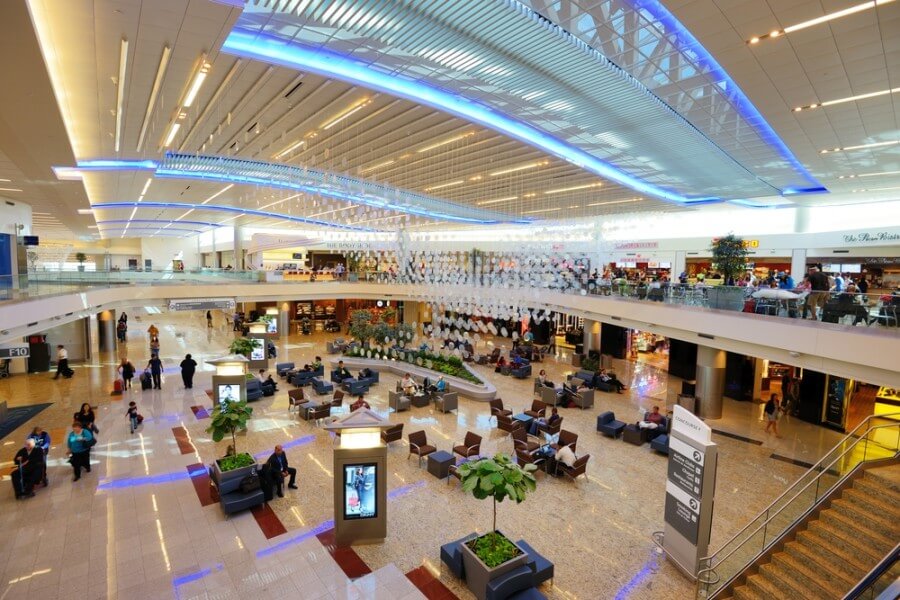
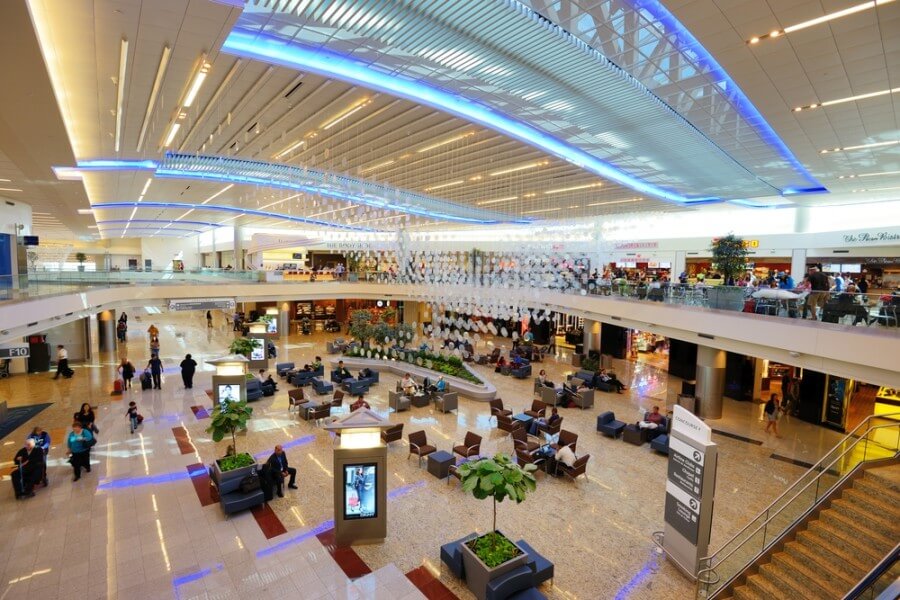
Ten miles from Downtown Atlanta, the Atlanta Airport District is keeping their website up-to-date with the constantly changing information for residents, visitors, businesses, and hospitality partners. Their COVID Resource page lists important information on restaurant offerings, business openings and health and safety guidelines including:

  • Airport guidelines
  • Public transit safety
  • Event safety at the Georgia International Convention Center
  • Area hotel safety guidelines
  • Travel guidelines from the Georgia Department of Health
  • And more

The ATL Airport District has also been building marketing collateral showing guests wearing masks, checking in, and participating in activities. This helps create expectations that normalize safety procedures while allowing business to resume. Marketing has shifted from making sales to communicating safety.

“Everyone wants to re-open and everyone is proceeding with caution because safety is the biggest priority.”

Kristin Schneider, ATL Airport District Convention and Visitor’s Bureau Director of Sales

San Mateo County / Silicon Valley, Palo Alto, California

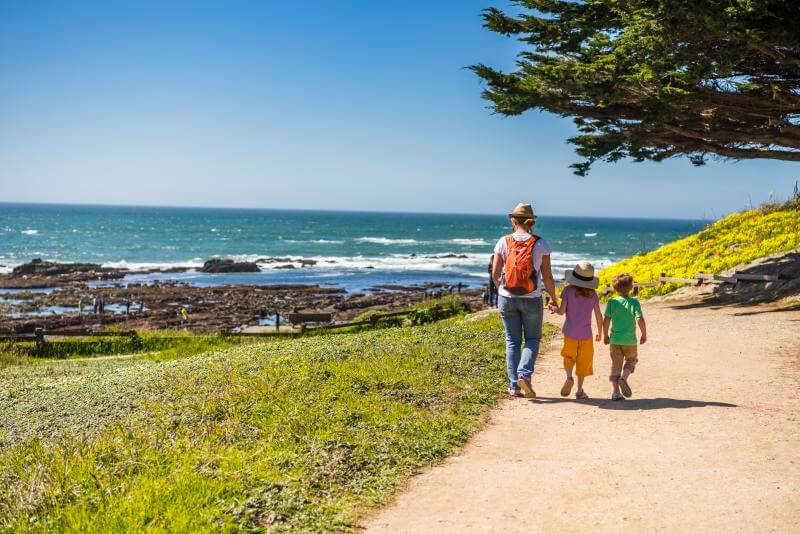
The San Francisco Bay Area has long been known as a popular tourist destination and has pledged to be “Reopened & Ready” for visitors and residents alike. Moving through reopening means staying informed and in compliance with local authorities in order to prevent the spread of disease.

San Mateo County and Palo Alto hotels, businesses, restaurants and attractions are following safety and sanitation standards that include:

  • Making hand sanitizer readily available
  • Using face coverings
  • Practicing social distancing
  • Proving staff with COVID related training
  • Reducing high touch practices
  • Using CDC cleaning and sanitation protocols

Businesses and individuals alike are asked to take the pledge to following these guidelines to keep each other safe to allow for continual reopening of the city. A dedicated web page has been designed for housing updated information on changes, including openings, reclosures and county information and guidelines.

Brazilian Court, Palm Beach, Florida

Staying on top of CDC and local guidance is part of every plan, and Brazilian Court is no exception. Increased frequency of cleaning and sanitization is also another best practice adopted by the historic Spanish Colonial luxury property.

Training associates in following CDC guidelines has been paramount. Focusing on COVID-19 awareness, proper hygiene, and personal protective equipment, and giving guidance to stay home if sick has been prioritized.

In addition, the following guidelines are in place to meeting local laws and guidelines:

  • No social groups larger than 10 people is being monitored and enforced
  • Masks must be worn in public areas
  • A Palm Beach curfew is in effect from 10PM – 6AM, meaning residents and visitors are to stay inside during those times
  • Indoor dining is open for 50% capacity and distanced seating
  • Hotel restaurant reservations are required for lunch and dinner and no contact delivery is offered upon request
  • Retail shopping is open and allowing 50% capacity
  • Appointments are required for hair and nail salons and barber shops
  • The hotel pool and fitness room are open for guest use, with social distancing in place
  • Guests are asked to not ride elevators with other guests, who are not in their party

Each city is truly dedicated to re-open as quickly as safely possible to restore tourism, fun and economy back to the places they love. We remain cautiously optimistic and are pleased to see so many suppliers preparing to return to live, in-person interactions and establish a new normal for health and safety.

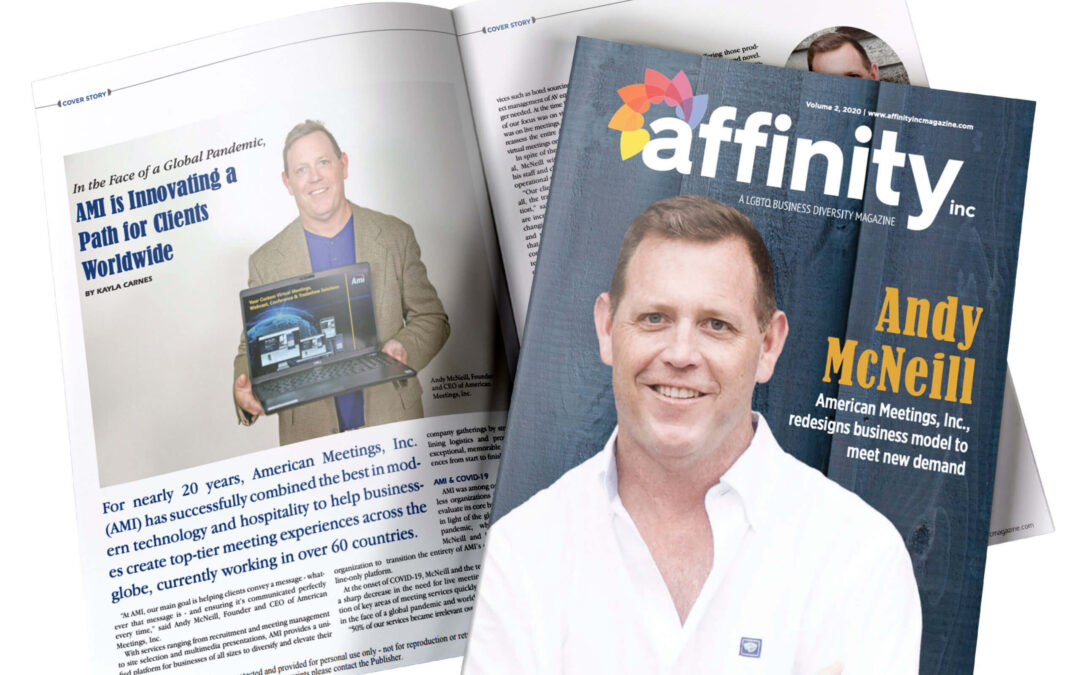
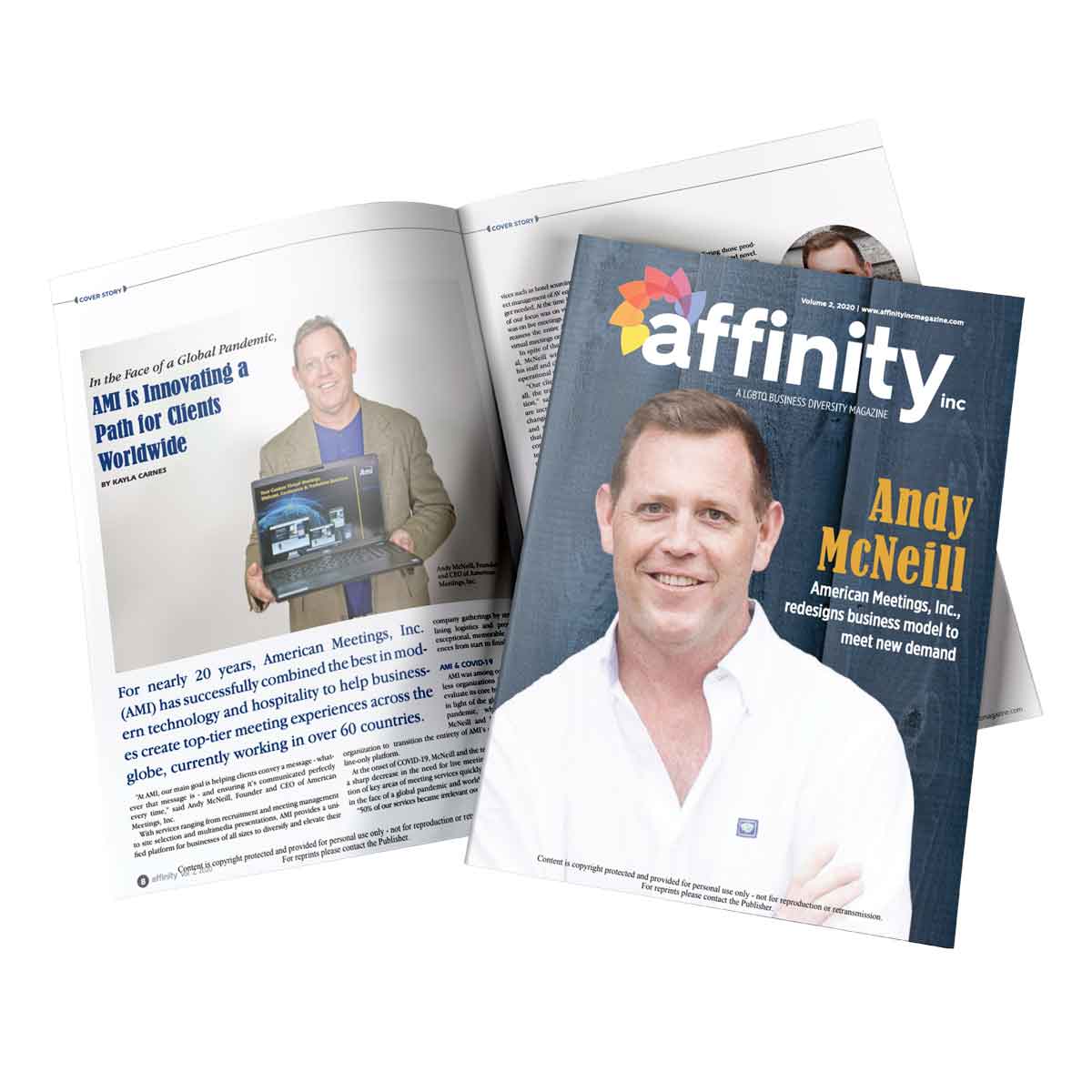
Affinity Inc. Magazine Cover Story Featuring AMI’s CEO, Andy McNeill.

Affinity Inc. Magazine Cover Story Featuring AMI’s CEO, Andy McNeill.

In the Face of a Global Pandemic, AMI is Innovating a Path for Clients Worldwide

AMI’s CEO Andy McNeill talked to Affinity Inc Magazine about how AMI was among one of countless organizations forced to reevaluate its offerings in light of the global COVID-19 pandemic by increasing their virtual offerings, while still offering world class live meeting services.

Changing with the times
Right from the onset of COVID-19, AMI has demonstrated a willingness to rethink their client offerings in a way that highlights community focus onto socially relevant initiatives. For McNeill, flexibility in business has meant working with industry leaders to help develop comprehensive education programs and promote public awareness of COVID-19 when live meetings return. It has also shown up in its work with clients.

Click here to read the full article

Click here to download the digital version

Best Practices for Creating Virtual Events

Best Practices for Creating Virtual Events


Recently we have seen events cancel as quickly as dominoes lined up and tipped over. Many of these event organizers, vendors, and venues lost money and likely future business. While in-person events will make a comeback, this pandemic has opened many eyes to the benefits of virtual events.

In fact, with technology in place to allow for remote work and virtual conferences easier than ever, it would not be surprising to see more events be scheduled on a virtual platform. Although virtual events are being conducted in greater numbers lately, so are new problems arising around quality, managing participants, and avoiding hackers.

What are the best practices, then, for creating quality virtual events? Here are our suggestions:

Trust Expertise

Every good event starts with a strategy for success. Virtual events should use professional organizers familiar with running virtual events as their expertise is invaluable. Knowing the right questions to ask and understanding logistics from lessons in hindsight, will help your event go smoothly, even if unforeseen issues arise.

Market Differently but as Much

Branding and marketing your virtual event is just as important as with a live event, but the methods to reach your target audience may differ. Using technology to manage enrollments becomes critical to ensure attendees have everything they need to make the event memorable and successful.

Use Quality Technology

During the event, the platform used to conduct the event must be able to accommodate all the event requirements including webcasting, managing participation, and analytics. Technology is the “event staff” in these meetings, and managing it can be a bit more specialized.

Don’t Skimp

Vendors, entertainment, and affiliates can all still be involved with virtual events, and making this happen smoothly will require advanced planning for seamless integration. Just because the event is virtual, doesn’t mean you have to give up the parts of an event that make it amazing.

Tout the Benefits

Make sure attendees understand the benefits of a virtual event and play those up to increase benefits. These benefits could include:

  • Lower or no travel expense – no need for people to miss work or spend money on hotels, transportation or dining.
  • Global access – reach attendees all over the globe, rather than the shorter reach due to a set geographical destination.
  • Better interaction – technology makes it easier to capture feedback and notes, share information and interact with content and each other.
  • Archival – virtual meetings are easy to record, allowing participants to receive a copy, whether or not they were present.

AMI is a trusted virtual and live events provider offering strategy, planning, and delivery for your next event of any size.