5 Benefits and Challenges of Combining Live and Virtual Experiences for a Hybrid Meeting Model

If 2020 was the year of virtual meetings, it looks like 2021 might be the year of hybrid solutions as we begin to reconnect in person. With this shift comes some challenges as well as exciting benefits of the virtual combination of live and digital meeting experiences.
Hybrid Meeting Benefit: Smaller Crowds, Larger Attendance
Large-scale live meetings will likely be slow to return this year. With hybrid meetings and events, however, smaller clusters of groups can meet in a variety of locations to boost attendance without the risk of travel or large gatherings that many are still leery of in a post-pandemic world.
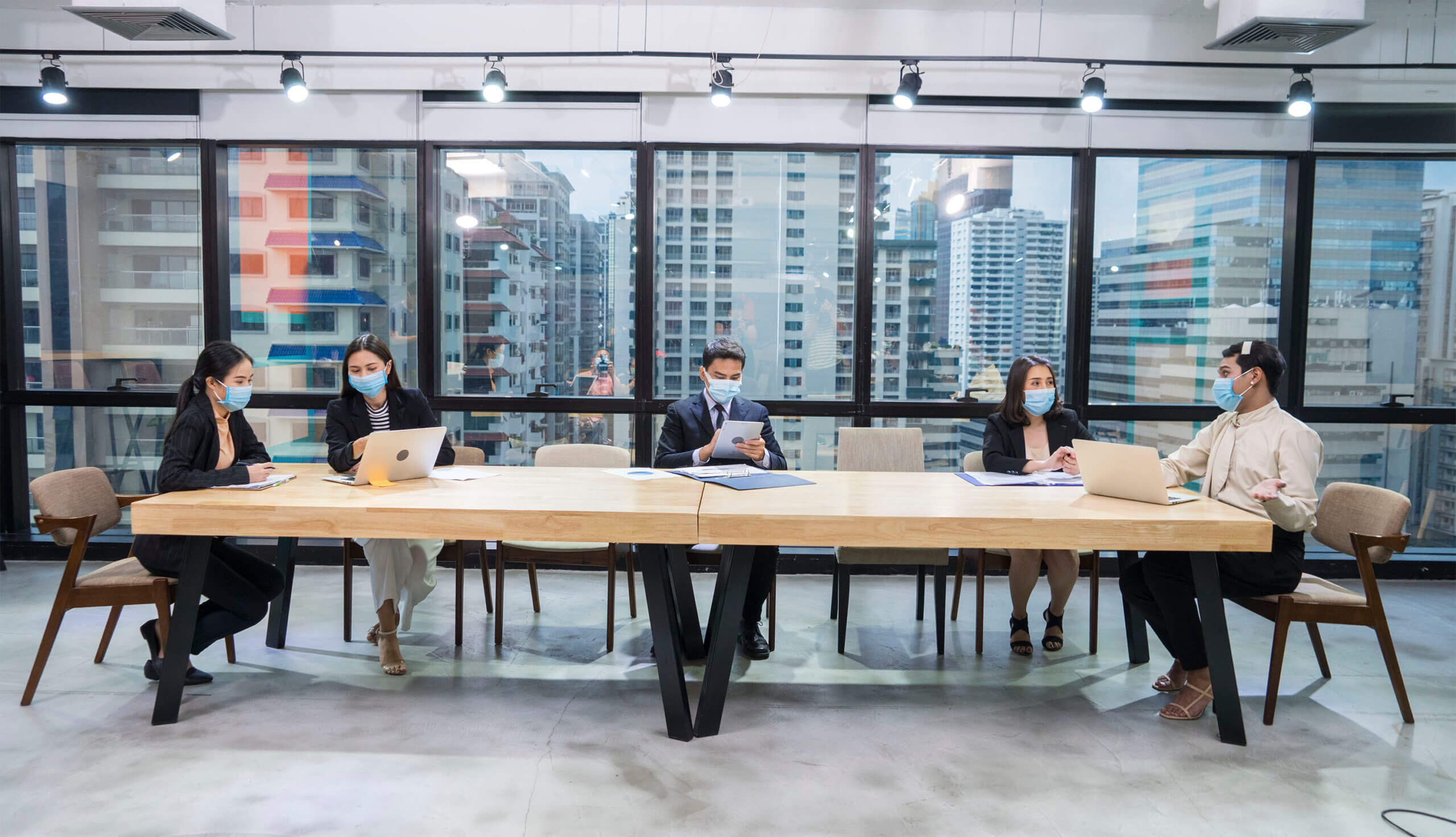
In the case of our client Stratus, they used a hybrid model of combining virtual and live meeting components to support the need for in-person training. A 100% virtual option was not sufficient for their national sales meeting, so technology was used to stream the general sessions to sales teams located in six U.S. locations where their sales team could safely travel the short distance. Small groups of a dozen team members each were able to safely get together for team building, training, and product launch information sharing while social distancing.
Hybrid Meeting Challenge: IT & Security
A remote workforce interacting on virtual platforms can mean less control over client information, meeting access, and an increase in cyber threats. Creating processes for how information is accessed and shared across an organization is a priority in a hybrid meeting situation. Thankfully, the need has been presented and solutions created, often by the platform providers themselves.
Verifying users and participants can help control hacks and disruptions, and there must be a balance between attracting attendees and protecting data. With strong controls and systems in place, AMI has never had a data or security breach and neither should your organization.
Suggested reading: “How to Hack-Proof Your Virtual Event”
Hybrid Meeting Benefit: Built-in Technology
Because the demand for video conferencing and work-from-home platforms have dramatically increased in a short period of time, technology has been forced to improve. In the past, virtual meetings were often limited to corporate or business use, but now collaboration platforms like Zoom feature background noise reduction, appearance enhancement, low light adjustment, and high-fidelity music for almost any kind of meeting.
Large virtual events have also evolved to include more accessible technology that offers TV-quality production to increase engagement and interest. We’ve all learned in the last year how to use technology in new ways, and this comfort level is equipping us to take it to the next level in terms of registration, interactivity, production, and more.
Hybrid Meeting Challenge: Thinking Creatively
Tradeshows, demonstrations, swag… there are things we have come to expect from live events that will need to be managed more creatively. Again, services exist to support virtual and hybrid events, but it takes innovative solutions to garner attendee engagement.
Suggested reading: “7 Tips for Planning a Virtual or Live Tradeshow”
Pre-sending swag to meeting attendees helps build comradery even when distanced. Using break-out rooms and live streams can help facilitate demonstrations, networking, Q&A sessions, and more. Even delivering your attendees a delicious lunchtime meal enhances their virtual experience. Best practices for bringing live and virtual components to hybrid events will continue to evolve through the next year and beyond.
Hybrid Meeting Benefit: Cost Effectiveness
Virtual events can help reduce the expense of large venues, travel, and staffing. Using budget spend on more powerful AV, production, and attendee swag is the way to successful hybrid meetings. Use less space, limit the need for on-site staff, and reach a broader audience by allowing guests to participate in-person or remotely.
Local events can now promote on a larger scale to attract attendees where travel may have prevented attendance in the past. For many organizations, a hybrid meeting model can allow for more cost-effective production, with just as much bang as a fully live event.
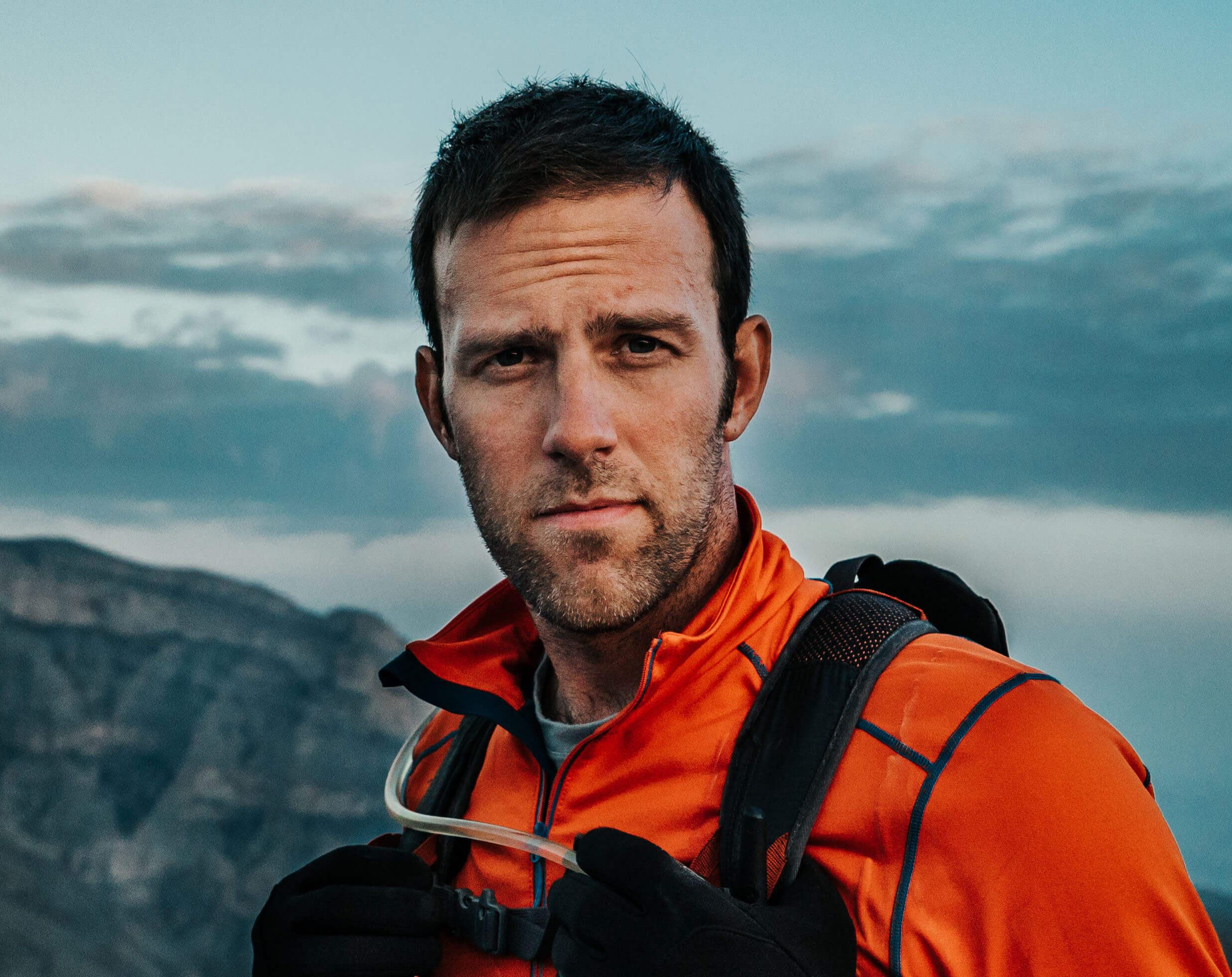 Born in Toronto, Canada, Ryan Pyle spent his early years close to home. After obtaining a degree in International Politics from the University of Toronto in 2001, Ryan realized a lifelong dream and traveled to China on an exploratory mission.
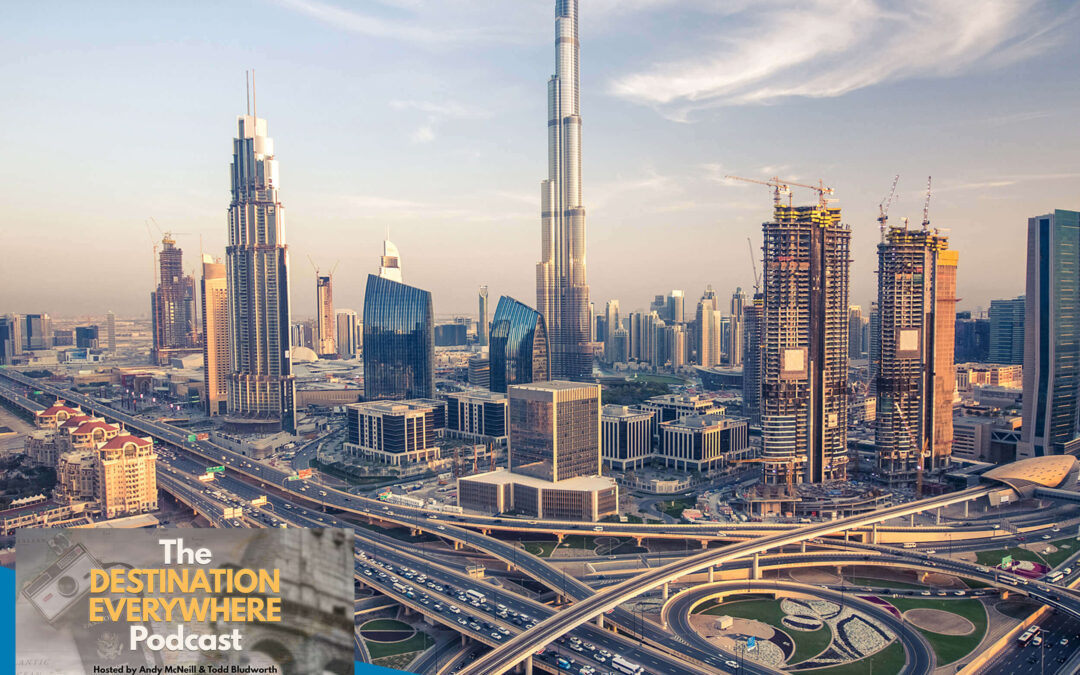
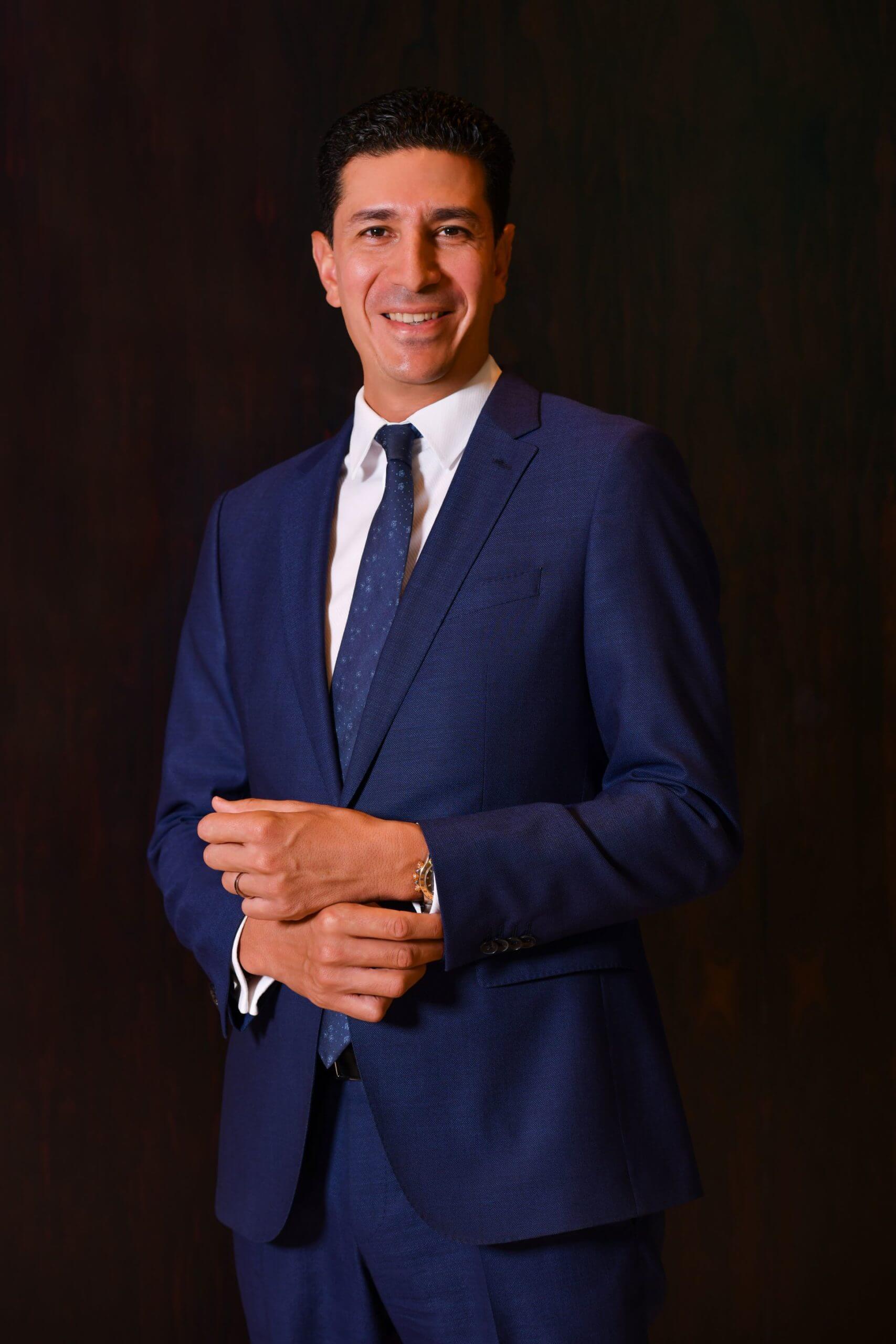 As General Manager of Sofitel Dubai The Obelisk, Omar Souab leads the strategic direction and managed the pre-opening and current operations of Sofitel Hotels & Resorts largest property in the Middle East.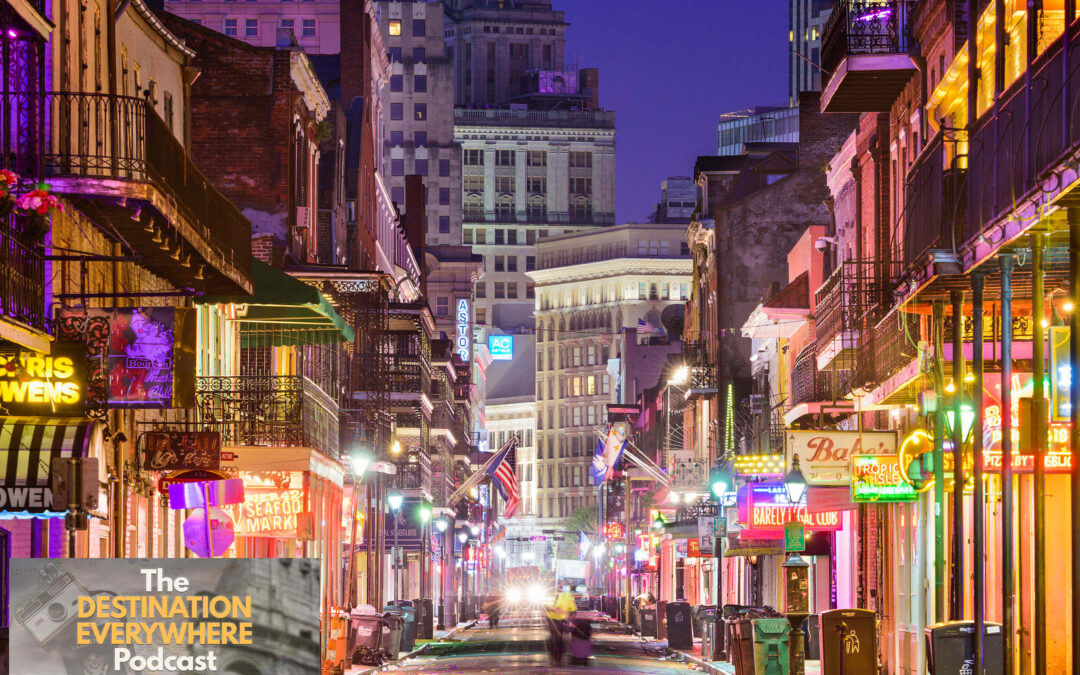
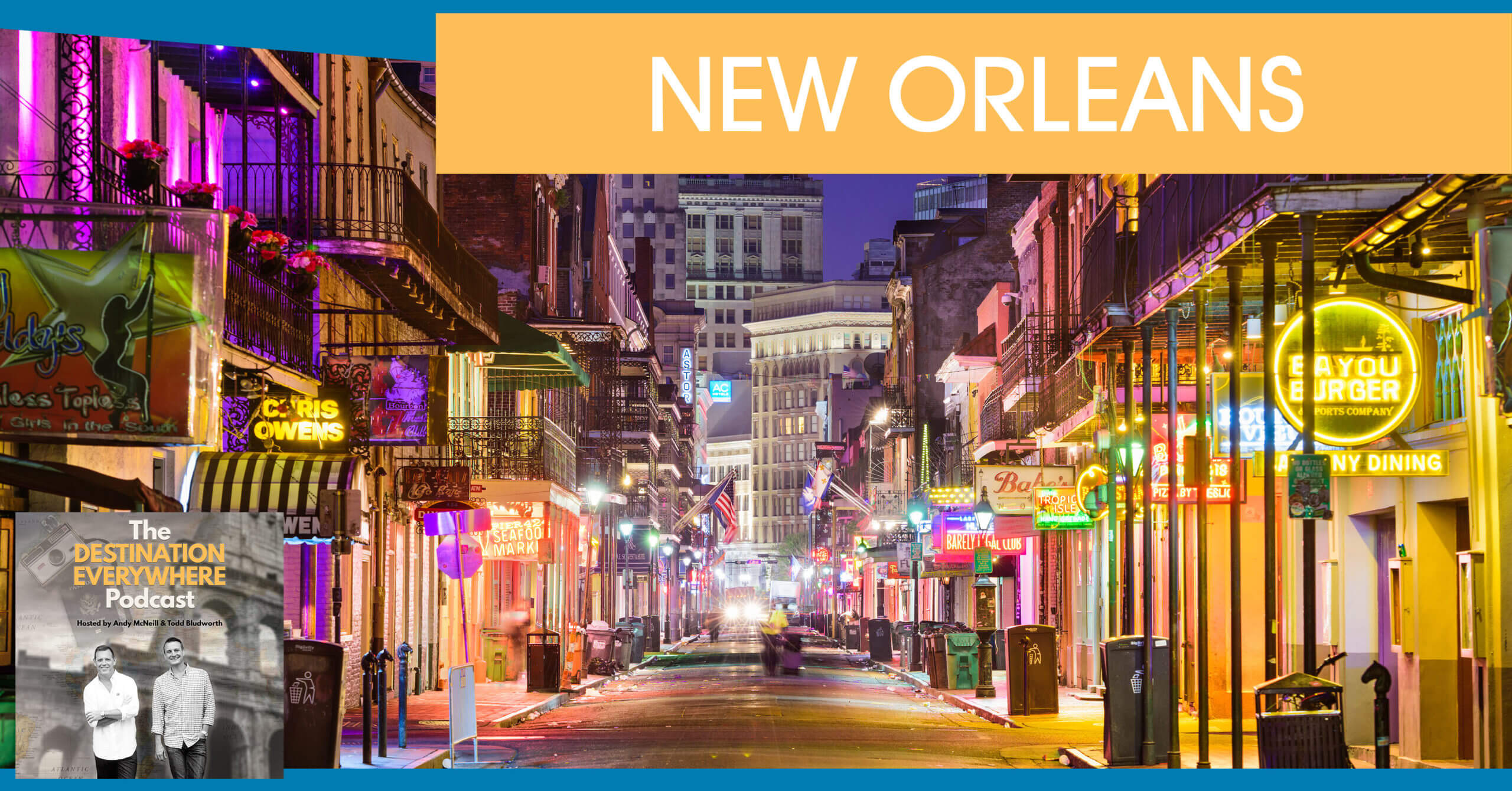

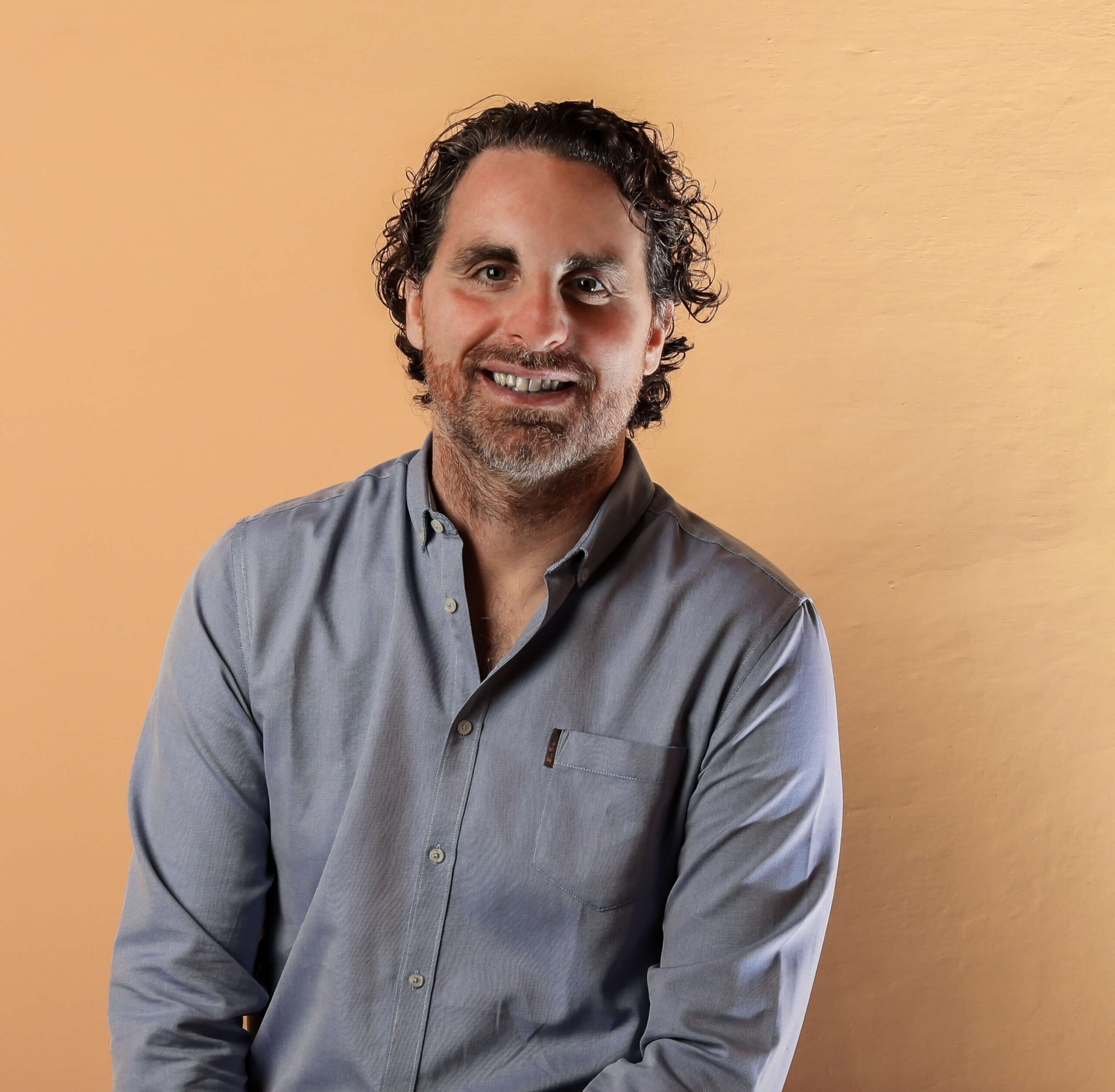
 Ralph Mahana, a New Orleans native and alumnus of Isidore Newman School and Tulane University, was named general manager of Windsor Court Hotel in April 2018. No stranger to hospitality, Ralph previously spent 13 years entrenched in the day-to-day operations of the hotel. While a sophomore in college, Ralph joined the Windsor Court team as a night auditor/bellman. As a business major, he quickly fell in love with the industry and transitioned through a variety of positions and departmental leadership roles over the years, including director of rooms, operations, front desk, guest services, food and beverage, and assistant general manager. Ralph is passionate about an array of causes, from education and affordable housing, to human trafficking and gender equality.
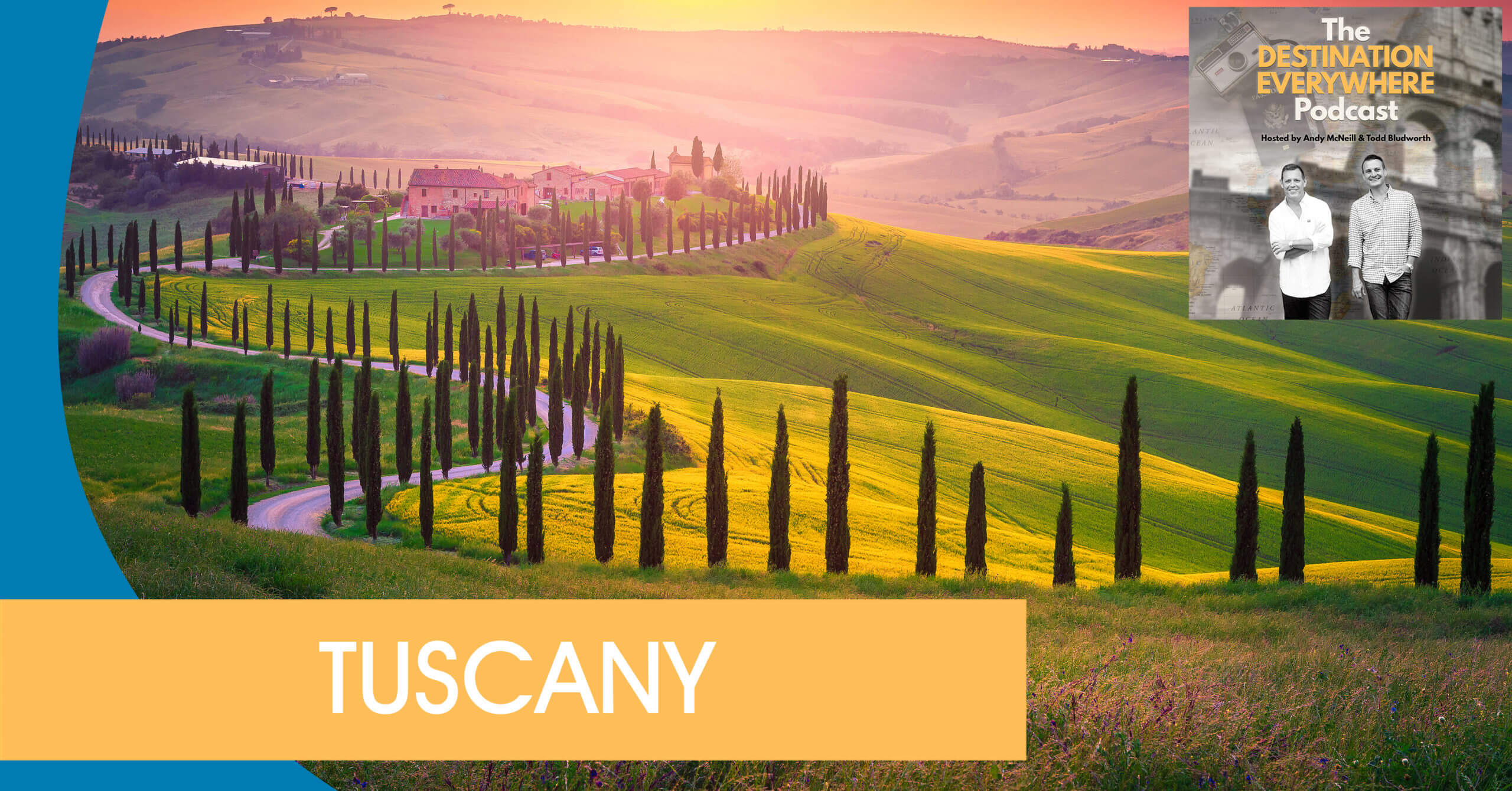
 Frances Mayes recently published “Always Italy,” which won the Lowell Thomas Award for best travel guide of 2020. Previous bestsellers include “See You in the Piazza,” “Under the Tuscan Sun,” “Bella Tuscany,” “Every Day in Tuscany” and “ Year in the World.” These books about travel, taking chances, and the “voluptuousness of Italian life” have been translated into 54 languages.
 Federico Cerelli graduated in the year 2000 at the Università Degli Studi di Firenze with a degree in Enology and Viticulture with a maximum score of 110/110. Since 2005 he is a member of the official commission of the DOCG Chamber of Commerce of Florence and Siena. In the year 2006 attended a master for “winemaking process and sensory analysis of high-quality red wines” at the Facultè d’oenologie, Universitè Victor Segalen Bordeaux 2. Since 2008 he is a teacher at ONAV classes in the Florence department (National Organization Wine Tasters).
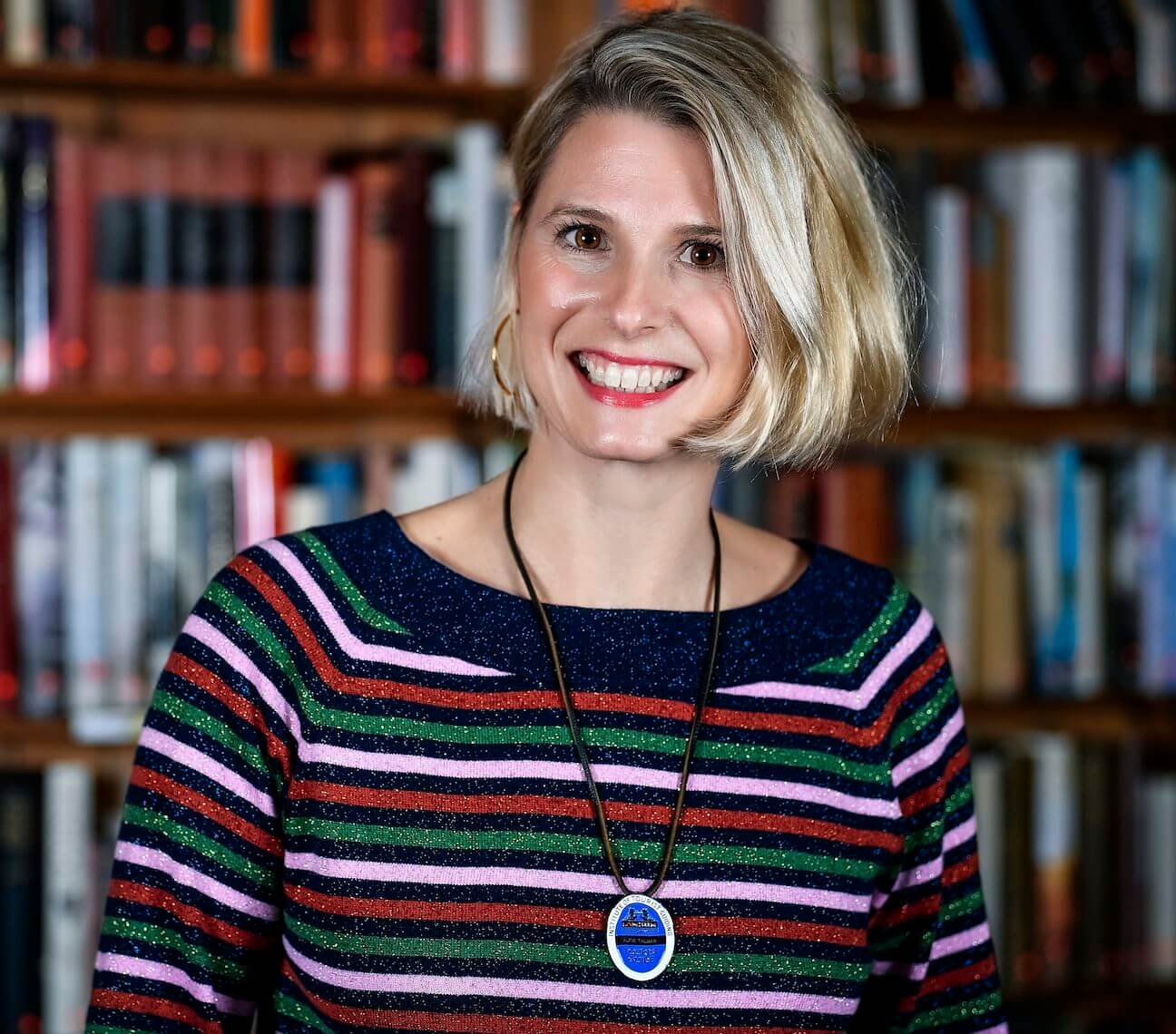 Sophie Malerba has been a Blue Badge Guide of London for 5 years and absolutely loves it! She mainly works with the US market, both private bookings (families and couples) and Incentives.
 Anjie Keegel has been in the industry for over 20 years.